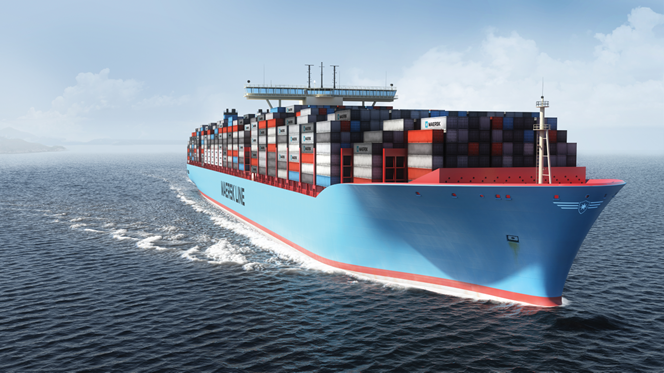
Probing the possibilities for clean Nordic shipping
With a combined coastline of 43,000 km, trading and travelling by sea is essential in the Nordic countries. The maritime industry currently faces a challenging green transition, moving away from fossil fuels towards renewable energy sources, making the possibilities for clean Nordic shipping more relevant than ever.
Energy Modelling Lab is involved in the HOPE project, launched by Nordic Energy Research (full name: Hydrogen Fuel Cells Solutions in Shipping in Relation to Other Low-Carbon Options, a Nordic Perspective). HOPE analyses alternatives for CO2-neutral marine fuels and propulsion technologies from a Nordic point of view, assessing the role of hydrogen and fuel cell solutions relative to other low or zero-carbon fuel options.
Technology assessment: hydrogen and fuel cells for shipping
The project has a special focus on hydrogen and fuel cells in relation to other low-carbon options, using a series of scenario studies with the Nordic energy model, ON-TIMES, to find the optimal paths to a fossil-free shipping industry.
Probing the possibilities for clean Nordic shipping