Energy planning in Ukraine

The main objective of the project is to support Ukraine in planning for its future green energy system.

The project is part of a partnership program between Ukraine and Denmark, to achieve the goals of the Energy Strategy of Ukraine for 2050.

Building DK-BioRes

MODELLING
Improving and updating the Energy System Model for Ukraine (TIMES-Ukraine), to contain the newest trends and technologies.

SCENARIO ANALYSIS
The model is used for long-term energy systems and climate policy planning.

REPORT
Supporting the development of the Action Plan, showing the road towards national greenhouse gas reductions in Ukraine.


Duration: September 2020 – April 2021

Program: Ukraine-Denmark Energy Partnership Program (UDEPP)

EML Team: Mikkel Bosack Simonsen, Kenneth Karlsson

Client: The Ministry of Environmental Protection and Natural Resources in Ukraine

Donor: Danish Energy Agency

Budget: DKK 382.050

Reference: Mourad Boucenna

Model: TIMES-Ukraine
Engaging in the modelling community

The Energy Technology Systems Analysis Programme (ETSAP) is an active network of modelers around the world.

Energy Modelling Lab is engaging in the biannual ETSAP workshops, that focus on the practice of modelling. We also participate in training activities and collaboration on projects related to the improvement of ETSAP tools such as the TIMES models.

The contributions to these workshops are based on current and future projects, particularly within EU, Nordic, and Danish research programs.

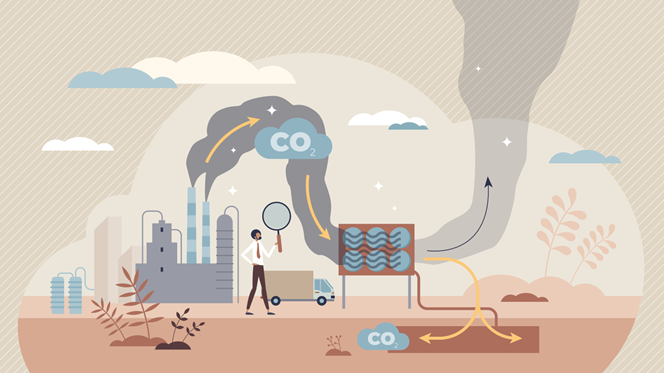
Adding carbon capture to TIMES-DK

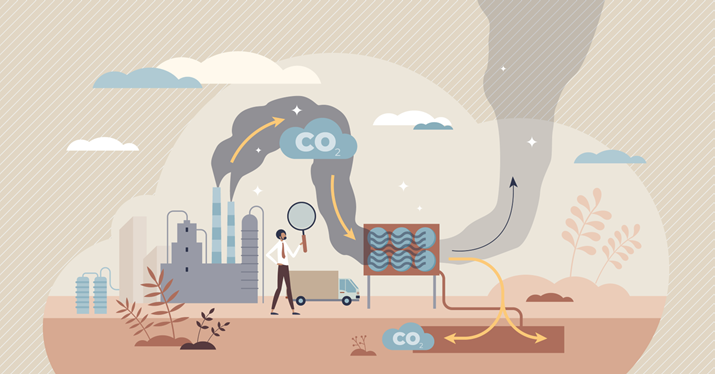
We have been adding carbon capture to TIMES-DK as it is a key piece in the future energy puzzle to capture carbon. CO2 is captured directly from the air, from industry chimneys, or in agriculture. This carbon can be used for two things. Either you can produce CO2-neutral fuels through Power2X technologies. Alternatively, the CO2 can be stored in the ground.

The project investigates the cost, potential, and limitations of the carbon streams.

Building DK-BioRes

MODELLING
The new technologies, which can deliver and utilize carbon capture, were added to the Danish Energy System Model (TIMES-DK). This allows the model to run scenarios that achieve long-term climate neutrality.


Duration: 2020

EML contact: Kenneth Karlsson

Model: The Danish Energy System Model (TIMES-DK)

Time-slicing tool for energy models

It is crucial to select suitable time slices in an energy model. Including time intervals with high demand is important, since leaving them out might create misleading results and bad investments.

Energy Modelling Lab created a smart tool for flexible time slice selection. The tool has been designed for the Danish energy system model (TIMES-DK).

Duration: November 2019 – March 2020

EML contact: Kenneth Karlsson

Client: Danish Energy Agency

Model: the Danish energy system model (TIMES-DK)